
A new generation of advanced ceramic membranes has been developed to meet strict sanitary standards in food and beverage processing. These membranes offer high performance while ensuring safety and cleanliness throughout production.
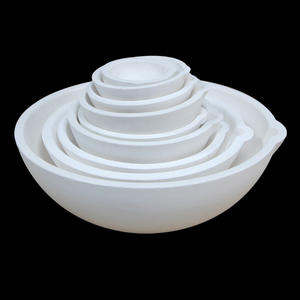
(Advanced Ceramic Membranes for Food and Beverage Processing Meet Sanitary Standards)
The technology uses durable ceramic materials that resist harsh cleaning chemicals and high temperatures. This makes them ideal for environments where hygiene is critical. Unlike traditional polymer membranes, ceramic versions do not degrade quickly under repeated sterilization.
Manufacturers have tested the membranes in real-world conditions across dairy, juice, and brewing applications. Results show consistent filtration quality and longer service life. The design also reduces downtime because the membranes need less frequent replacement.
Regulatory bodies recognize the importance of cleanable and non-porous surfaces in food contact equipment. These ceramic membranes comply with global food safety guidelines, including those from the FDA and EU food safety authorities. Their smooth surface prevents bacteria buildup and supports easy inspection.
Operators report easier maintenance and lower operating costs. Cleaning cycles are shorter, and water usage drops due to the membranes’ efficiency. Energy savings also add up over time because the system runs more smoothly.
The membranes are now available for commercial use. Food and beverage producers looking to upgrade their filtration systems can integrate this solution without major changes to existing lines. Early adopters say the switch improves product clarity and shelf life.
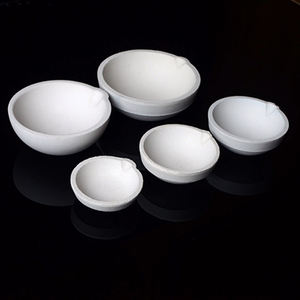
(Advanced Ceramic Membranes for Food and Beverage Processing Meet Sanitary Standards)
This innovation comes at a time when consumer demand for cleaner labels and safer processing methods is growing. Companies using these membranes can meet market expectations while maintaining high throughput.