
Technical ceramic components have shown strong performance in handling rapid temperature changes during heating and cooling cycles. These materials are now being used in demanding industrial applications where thermal shock resistance is critical. Unlike metals or standard ceramics, advanced technical ceramics maintain structural integrity even when exposed to sudden shifts in temperature.
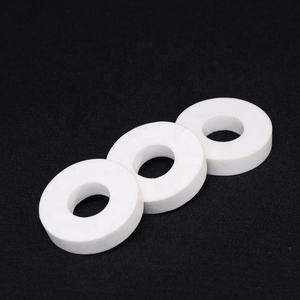
(Technical Ceramic Components Resist Thermal Shock in Rapid Heating and Cooling Cycles)
Engineers tested these components under extreme conditions that mimic real-world operations. The results confirmed that the ceramics did not crack, warp, or degrade during repeated thermal cycling. This reliability stems from their unique microstructure and low thermal expansion properties. Such traits allow them to absorb heat stress without failing.
Industries like aerospace, energy, and semiconductor manufacturing benefit directly from this durability. In jet engines, for example, parts must endure quick transitions from ambient to high temperatures. Technical ceramics meet this need without requiring frequent replacement. Similarly, in power generation systems, these components help improve efficiency and reduce downtime.
Manufacturers have also refined production methods to enhance consistency and quality. Tight control over raw materials and sintering processes ensures each batch meets strict performance standards. This advancement supports broader adoption across sectors that prioritize safety and long-term performance.
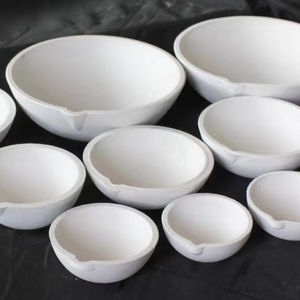
(Technical Ceramic Components Resist Thermal Shock in Rapid Heating and Cooling Cycles)
The growing demand for high-performance materials in harsh environments continues to drive innovation in ceramic engineering. Companies investing in this technology report fewer maintenance issues and longer service life for their equipment. As a result, technical ceramics are becoming a go-to solution wherever thermal stability matters.