
1. Molecular Framework and Physical Residence
1.1 Chemical Structure and Polymer Style
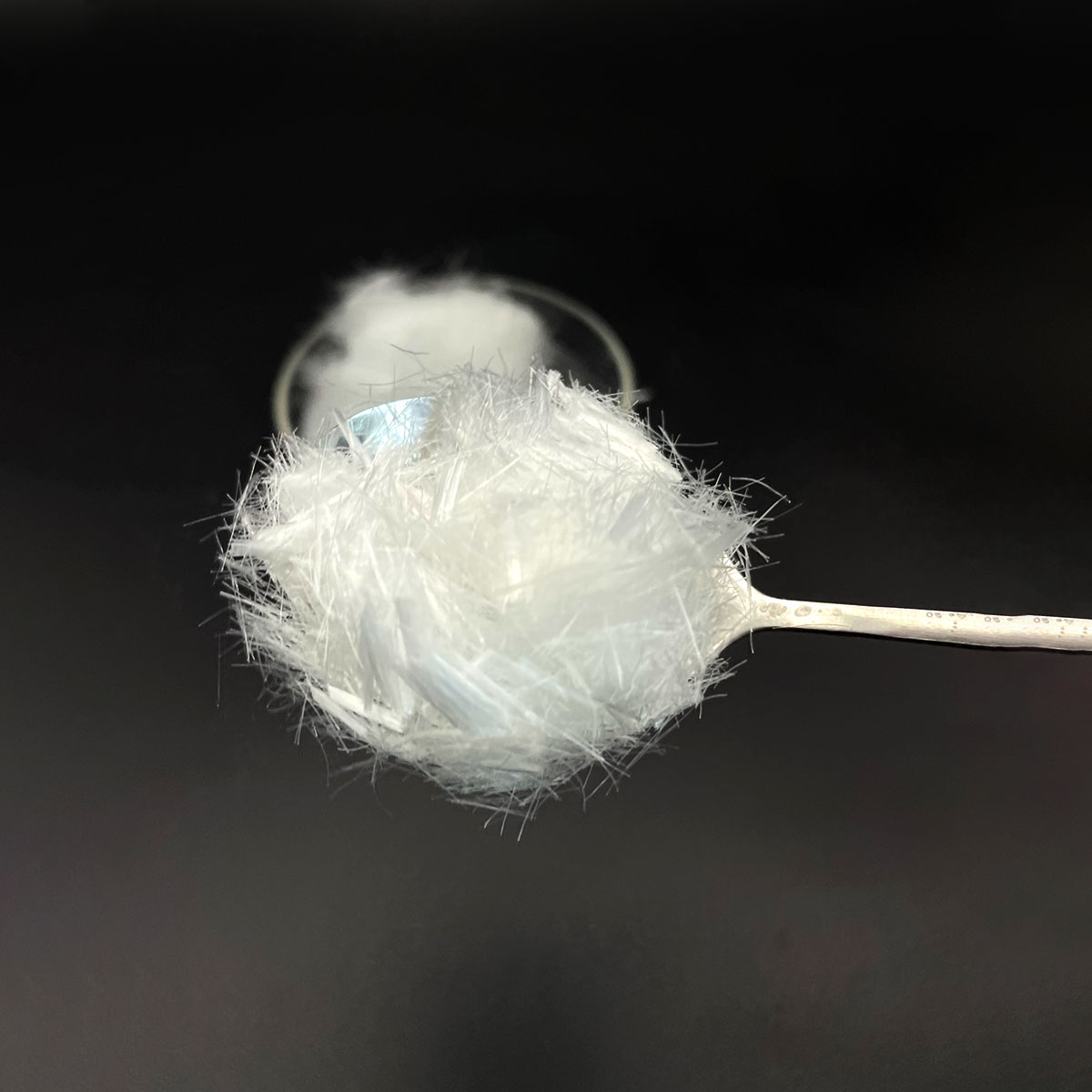
(PVA Fiber)
Polyvinyl alcohol (PVA) fiber is an artificial polymer originated from the hydrolysis of polyvinyl acetate, leading to a straight chain composed of repeating–(CH ₂– CHOH)– units with varying levels of hydroxylation.
Unlike many synthetic fibers generated by straight polymerization, PVA is usually manufactured by means of alcoholysis, where plastic acetate monomers are first polymerized and then hydrolyzed under acidic or alkaline problems to replace acetate groups with hydroxyl (– OH) capabilities.
The level of hydrolysis– ranging from 87% to over 99%– seriously influences solubility, crystallinity, and intermolecular hydrogen bonding, consequently dictating the fiber’s mechanical and thermal habits.
Totally hydrolyzed PVA displays high crystallinity because of substantial hydrogen bonding in between adjacent chains, causing remarkable tensile strength and reduced water solubility compared to partly hydrolyzed types.
This tunable molecular architecture enables precise engineering of PVA fibers to meet details application demands, from water-soluble momentary supports to long lasting structural supports.
1.2 Mechanical and Thermal Features
PVA fibers are renowned for their high tensile toughness, which can exceed 1000 MPa in industrial-grade variations, rivaling that of some aramid fibers while maintaining higher processability.
Their modulus of flexibility arrays between 3 and 10 Grade point average, giving a desirable equilibrium of rigidity and versatility appropriate for fabric and composite applications.
A crucial distinguishing attribute is their remarkable hydrophilicity; PVA fibers can take in approximately 30– 40% of their weight in water without liquifying, depending upon the degree of hydrolysis and crystallinity.
This residential or commercial property enables fast moisture wicking and breathability, making them optimal for medical fabrics and health products.
Thermally, PVA fibers exhibit great stability approximately 200 ° C in dry conditions, although extended exposure to heat causes dehydration and discoloration because of chain degradation.
They do not melt yet decay at elevated temperatures, releasing water and forming conjugated structures, which limits their usage in high-heat environments unless chemically changed.

( PVA Fiber)
2. Production Processes and Industrial Scalability
2.1 Damp Spinning and Post-Treatment Techniques
The main method for generating PVA fibers is wet rotating, where a focused aqueous remedy of PVA is squeezed out via spinnerets right into a coagulating bath– usually having alcohol, inorganic salts, or acid– to precipitate solid filaments.
The coagulation procedure controls fiber morphology, diameter, and positioning, with draw proportions throughout rotating influencing molecular positioning and supreme stamina.
After coagulation, fibers go through numerous attracting phases in hot water or heavy steam to improve crystallinity and positioning, substantially boosting tensile homes with strain-induced crystallization.
Post-spinning treatments such as acetalization, borate complexation, or warm treatment under stress further modify efficiency.
As an example, therapy with formaldehyde creates polyvinyl acetal fibers (e.g., vinylon), enhancing water resistance while maintaining toughness.
Borate crosslinking produces relatively easy to fix networks valuable in clever fabrics and self-healing materials.
2.2 Fiber Morphology and Useful Modifications
PVA fibers can be engineered into different physical kinds, consisting of monofilaments, multifilament threads, brief staple fibers, and nanofibers produced by means of electrospinning.
Nanofibrous PVA floor coverings, with sizes in the series of 50– 500 nm, deal very high surface area-to-volume ratios, making them exceptional candidates for purification, medicine shipment, and cells design scaffolds.
Surface alteration strategies such as plasma therapy, graft copolymerization, or finishing with nanoparticles make it possible for tailored functionalities like antimicrobial activity, UV resistance, or improved attachment in composite matrices.
These alterations expand the applicability of PVA fibers past standard usages into innovative biomedical and environmental technologies.
3. Useful Qualities and Multifunctional Habits
3.1 Biocompatibility and Biodegradability
One of one of the most substantial benefits of PVA fibers is their biocompatibility, enabling risk-free usage in direct call with human cells and fluids.
They are extensively used in medical stitches, wound dressings, and man-made body organs due to their safe degradation products and minimal inflammatory action.
Although PVA is naturally resistant to microbial assault, it can be rendered biodegradable with copolymerization with biodegradable systems or chemical therapy utilizing bacteria such as Pseudomonas and Bacillus varieties that create PVA-degrading enzymes.
This twin nature– relentless under normal conditions yet degradable under controlled biological environments– makes PVA ideal for temporary biomedical implants and green packaging remedies.
3.2 Solubility and Stimuli-Responsive Actions
The water solubility of PVA fibers is a special useful feature exploited in varied applications, from short-lived fabric sustains to regulated release systems.
By readjusting the degree of hydrolysis and crystallinity, makers can tailor dissolution temperature levels from area temperature level to above 90 ° C, enabling stimuli-responsive habits in clever products.
For example, water-soluble PVA threads are used in embroidery and weaving as sacrificial supports that liquify after processing, leaving intricate material frameworks.
In agriculture, PVA-coated seeds or fertilizer capsules launch nutrients upon hydration, improving performance and minimizing drainage.
In 3D printing, PVA works as a soluble assistance material for complicated geometries, liquifying cleanly in water without damaging the key framework.
4. Applications Across Industries and Arising Frontiers
4.1 Textile, Medical, and Environmental Utilizes
PVA fibers are thoroughly utilized in the fabric sector for generating high-strength fishing internet, commercial ropes, and combined textiles that improve toughness and moisture monitoring.
In medication, they form hydrogel dressings that preserve a moist wound atmosphere, promote recovery, and reduce scarring.
Their capability to develop clear, adaptable films additionally makes them optimal for get in touch with lenses, drug-eluting patches, and bioresorbable stents.
Eco, PVA-based fibers are being developed as alternatives to microplastics in cleaning agents and cosmetics, where they liquify entirely and stay clear of lasting pollution.
Advanced filtration membrane layers including electrospun PVA nanofibers effectively capture fine particulates, oil beads, and even infections as a result of their high porosity and surface capability.
4.2 Reinforcement and Smart Product Assimilation
In building, brief PVA fibers are contributed to cementitious compounds to boost tensile strength, split resistance, and impact durability in crafted cementitious compounds (ECCs) or strain-hardening cement-based materials.
These fiber-reinforced concretes exhibit pseudo-ductile actions, capable of standing up to substantial contortion without disastrous failing– suitable for seismic-resistant structures.
In electronics and soft robotics, PVA hydrogels serve as flexible substrates for sensing units and actuators, reacting to moisture, pH, or electrical fields via relatively easy to fix swelling and shrinking.
When integrated with conductive fillers such as graphene or carbon nanotubes, PVA-based composites function as elastic conductors for wearable devices.
As research study advances in sustainable polymers and multifunctional products, PVA fibers continue to become a flexible system bridging efficiency, safety and security, and ecological responsibility.
In recap, polyvinyl alcohol fibers represent a distinct class of synthetic products combining high mechanical performance with remarkable hydrophilicity, biocompatibility, and tunable solubility.
Their versatility across biomedical, commercial, and ecological domains underscores their crucial function in next-generation product science and lasting technology advancement.
5. Distributor
Cabr-Concrete is a supplier under TRUNNANO of Calcium Aluminate Cement with over 12 years of experience in nano-building energy conservation and nanotechnology development. It accepts payment via Credit Card, T/T, West Union and Paypal. TRUNNANO will ship the goods to customers overseas through FedEx, DHL, by air, or by sea. If you are looking for polyvinyl alcohol fiber, please feel free to contact us and send an inquiry.
Tags: pva fiber,polyvinyl alcohol fiber, pva concrete
All articles and pictures are from the Internet. If there are any copyright issues, please contact us in time to delete.
Inquiry us